I Ate 100 Pounds of Meat in 30 Days — Here's Why
I ate over 100 lbs of meat in 30 days. But that's not the crazy part. The deeper I dug into the science, the stranger—and more nuanced—the carnivore story became.

MD, Harvard | PhD, Oxford | Motto: StayCurious | Thanks for Learning with Me!About: Dr. Nick Norwitz graduated valedictorian from Dartmouth College, where h...
I ate over 100 lbs of meat in 30 days. But that's not the crazy part. The deeper I dug into the science, the stranger—and more nuanced—the carnivore story became.
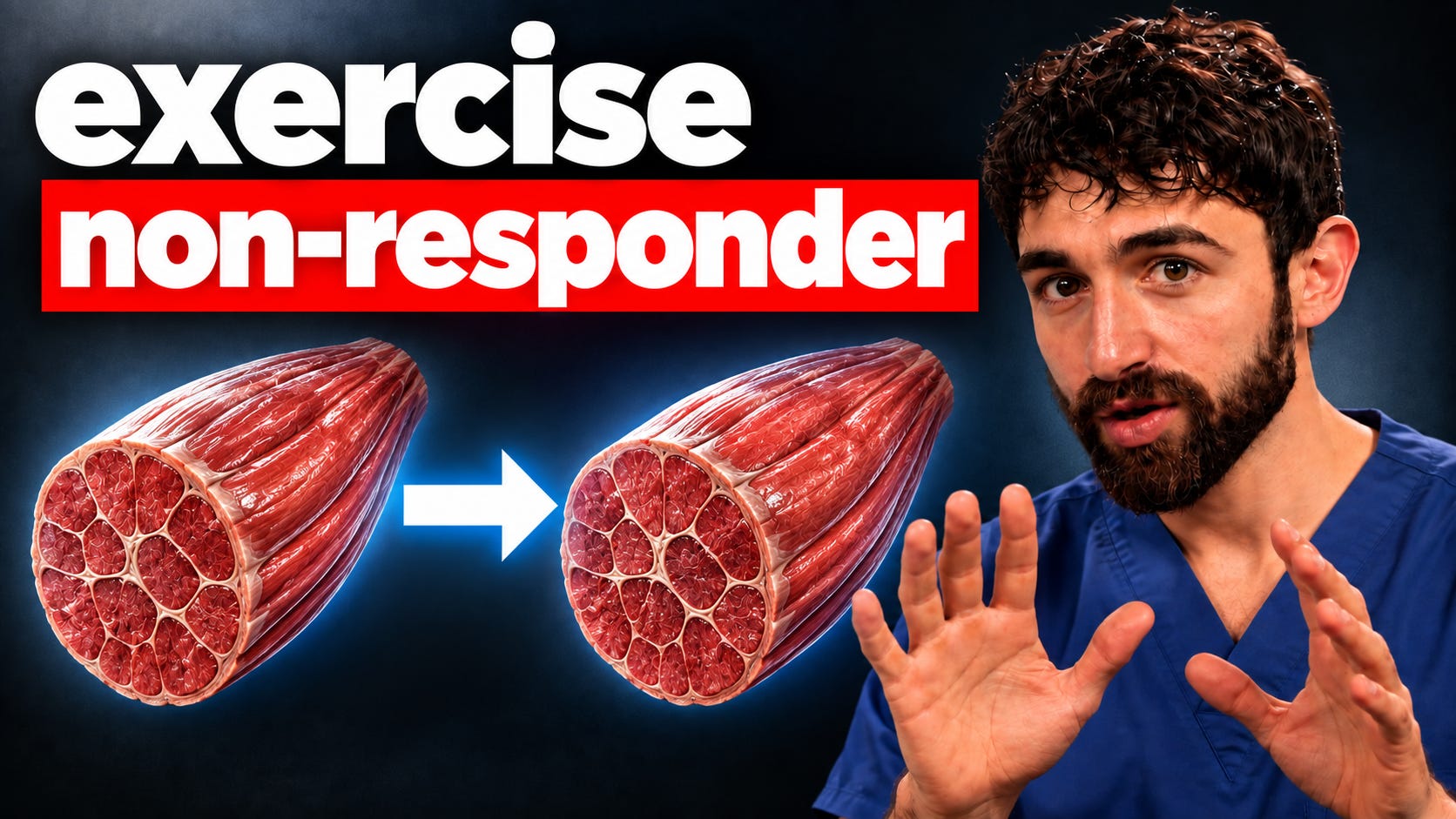
You’re putting in the work—but not seeing results. New research reveals why some people don’t respond to exercise… and what to do about it...
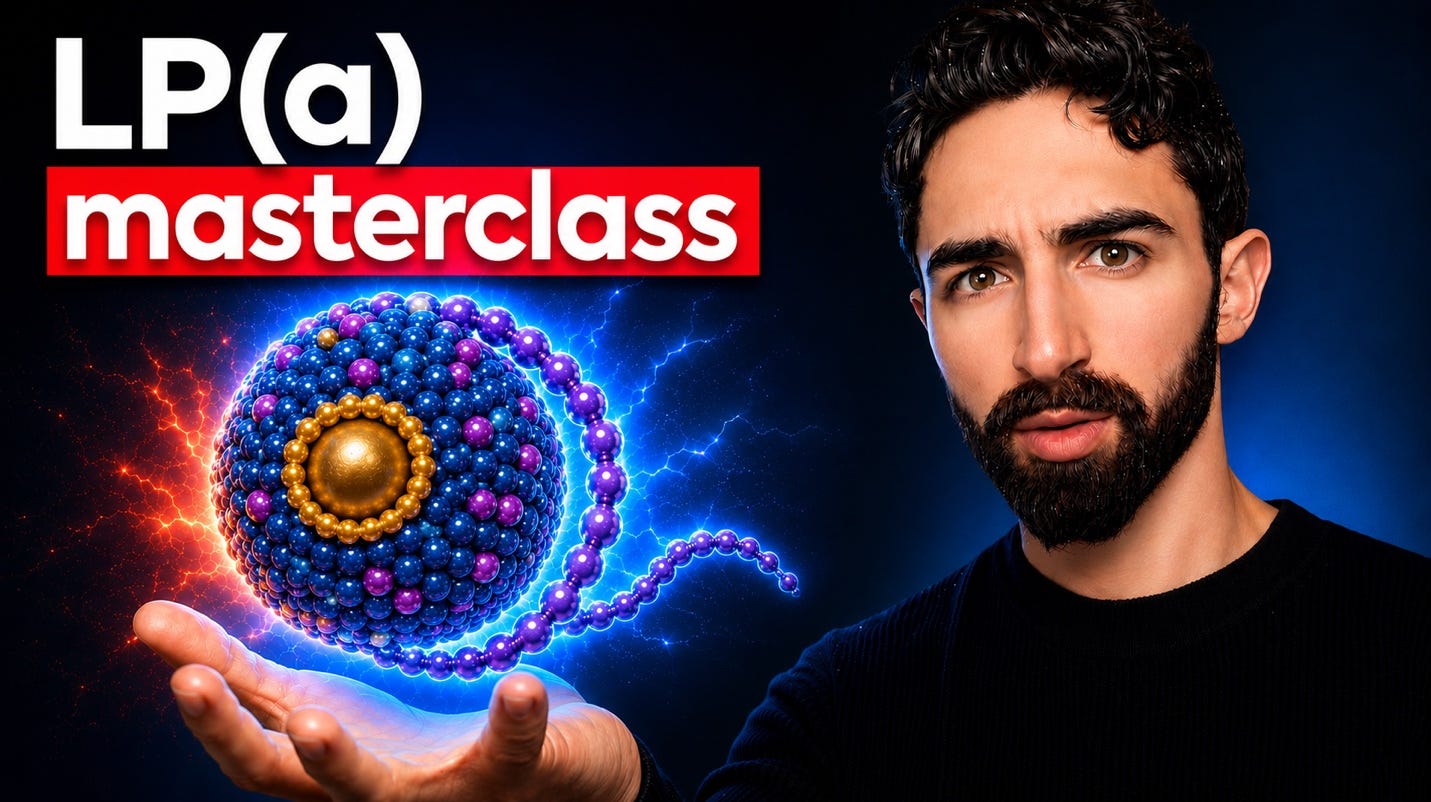
The definitive guide to Lp(a): what it is, how it damages arteries, and the nutrition and lifestyle strategies that may dramatically reduce the cardiovascular risk it confers.
A new study found semaglutide extended lifespan by 12% in mice. We unpack what GLP-1s may be doing beyond weight loss, and what these findings could mean for human health and longevity.
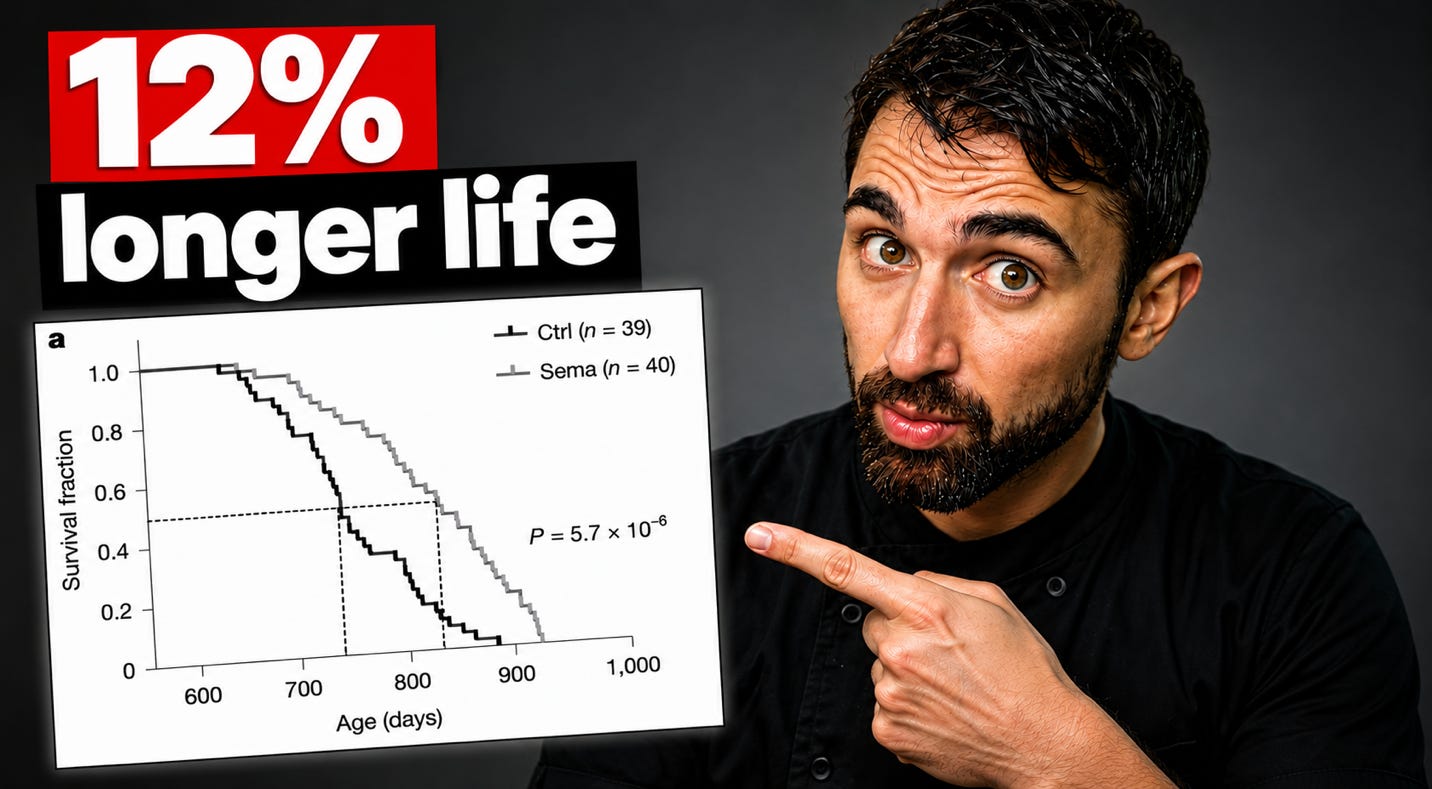
You can use your mind, by way of your nervous system, to change the inflammation in your body — to bend the course of real diseases like ulcerative colitis and rheumatoid arthritis.
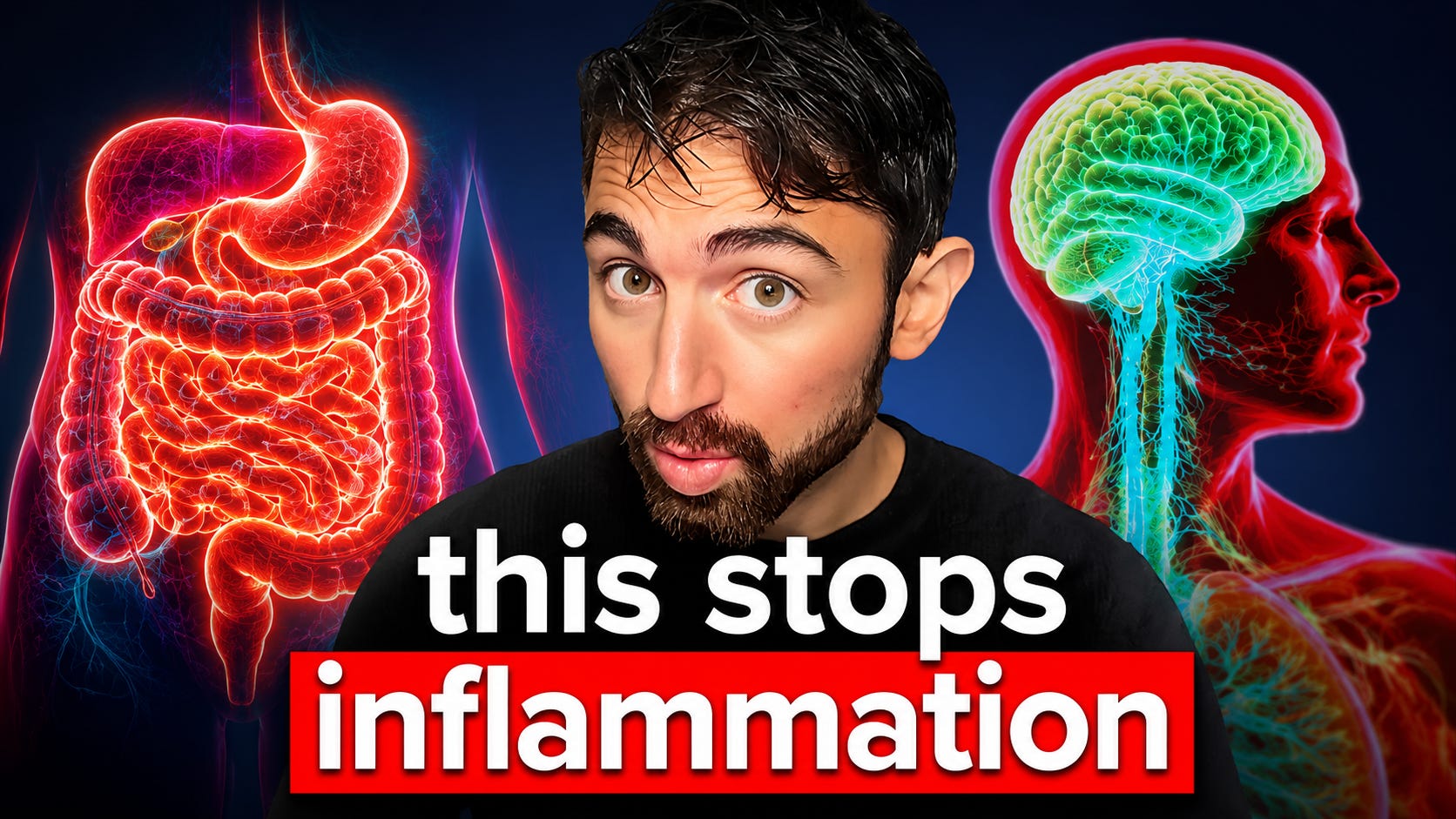
Keto just went head-to-head with Mediterranean and low-fat plant-based diets in a rigorous 6-month trial. Despite equal weight loss, one diet delivered surprising metabolic benefits.
A physician stopped his patient's statin after they got healthier. The reason reveals why GLP-1s could transform cardiovascular medicine.
Semax and Selank are intranasal peptides developed in Russia that are now used as nootropics—brain-boosting compounds—to reduce anxiety and improve focus and mental clarity. But what do the data say?
A compound called ENV-308 has completed phase 1 trials. It’s being called, “the first pill designed from the chemistry of exercise.”
Today, my goal is simple: to tell you what I look for, what I care about, and how I make my protein choices in the grocery store. Beef, eggs, poultry, dairy, seafood... we'll cover it all.
If I gave you 100 mg of caffeine… and then I gave you another 100 mg of caffeine, and then another... you’d think they’d feel the same, right? But they don’t. And here's why.
The story behind StayCurious: how chronic illness, Oxford, Harvard, and one unconventional recovery led me to abandon the traditional path and build something new.
A new study reveals how sleep and exercise tame inflammatory immune cell clones that drive heart disease. Plus, a human trial showing exercise can regress artery plaque in one year.
In a new study, researchers went looking in the guts of people with IBS and people with insulin resistance. The same ingredient was missing…
Four peptides in one strange blue vial, built to help the body repair itself. This is the science behind each, and what it could mean for human recovery.
A new Nature study of over 1 million people uncovered a rare “lean gene” with remarkable metabolic benefits. Here's what scientists found, why it matters, and what you can do today.
A major new Nature Aging study found that regular exercise prevents more than half of the molecular signature of aging in muscle. Here's what stays young—and how to target those same pathways.
A blockbuster heart drug just failed a massive trial. The reflexive takeaway — “inflammation doesn’t matter” — is exactly backwards. And the reaction exposes a double standard hiding in plain sight.
As a neurotic neuroscientist with insomnia, I used to freak out about not getting enough sleep. Then I realized the goal isn't to sleep longer... it's to sleep better.
A practical, myth-busting guide to nutrition. Learn what actually matters for heart health—cut through the noise on fats, cholesterol, seed oils, and blood sugar.
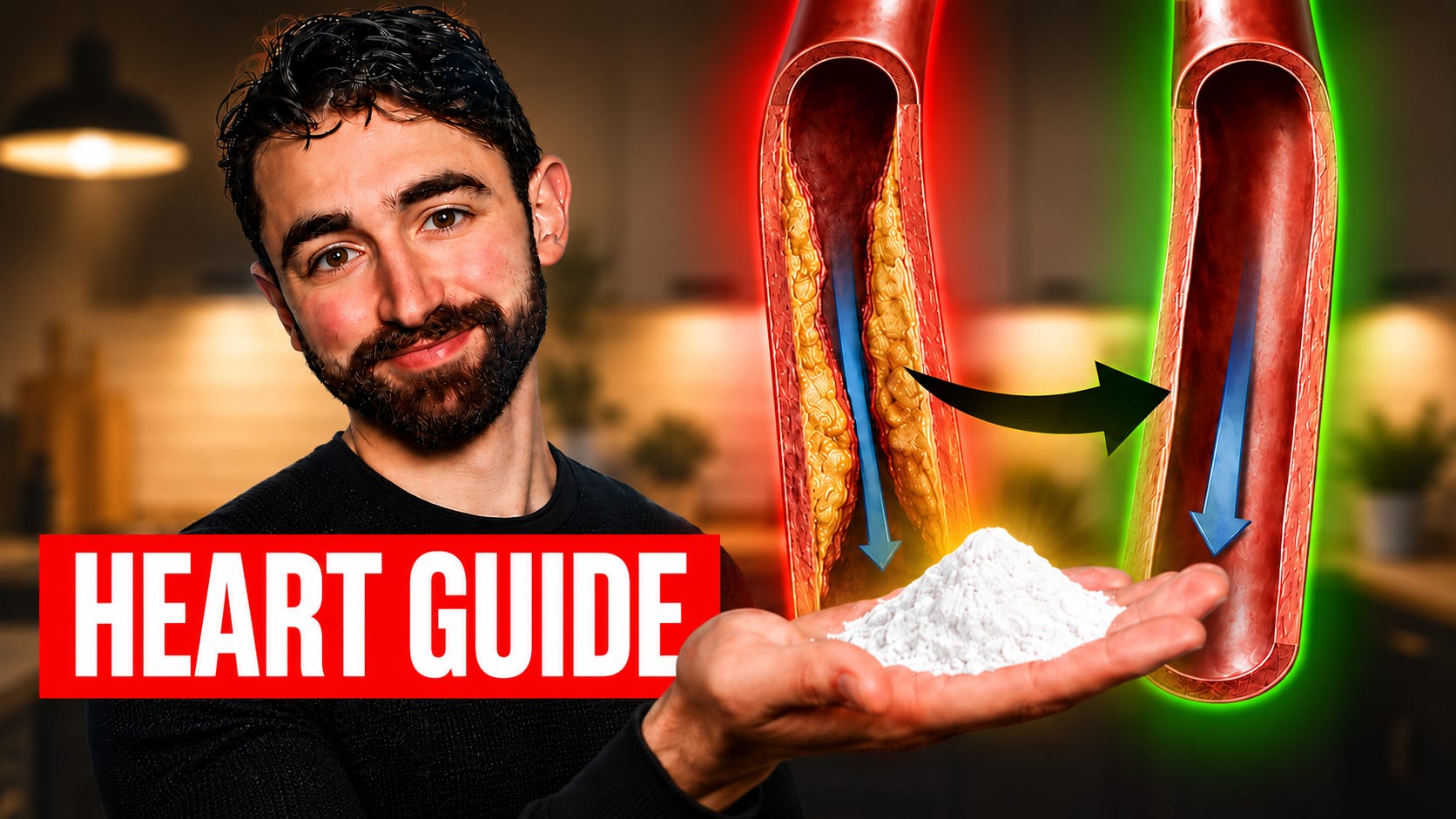
Muscles are hormone factories! Today, we'll explore how to use the large muscles in your your legs to help protect your long-term brain health.
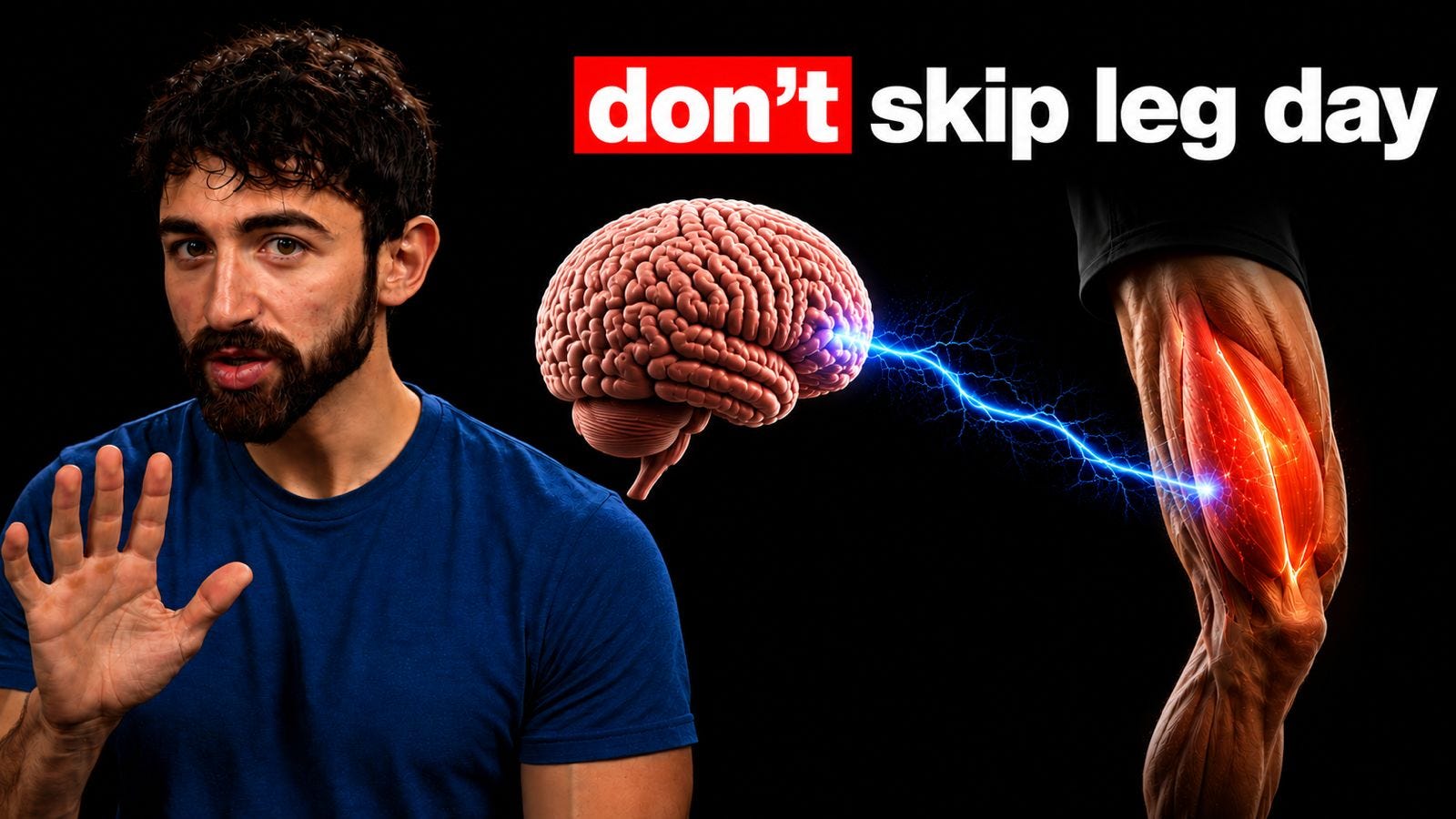
If you could know only seven measures about your health, which would they be? These seven inexpensive metrics reveal more about longevity, metabolism, and disease risk than you might think.
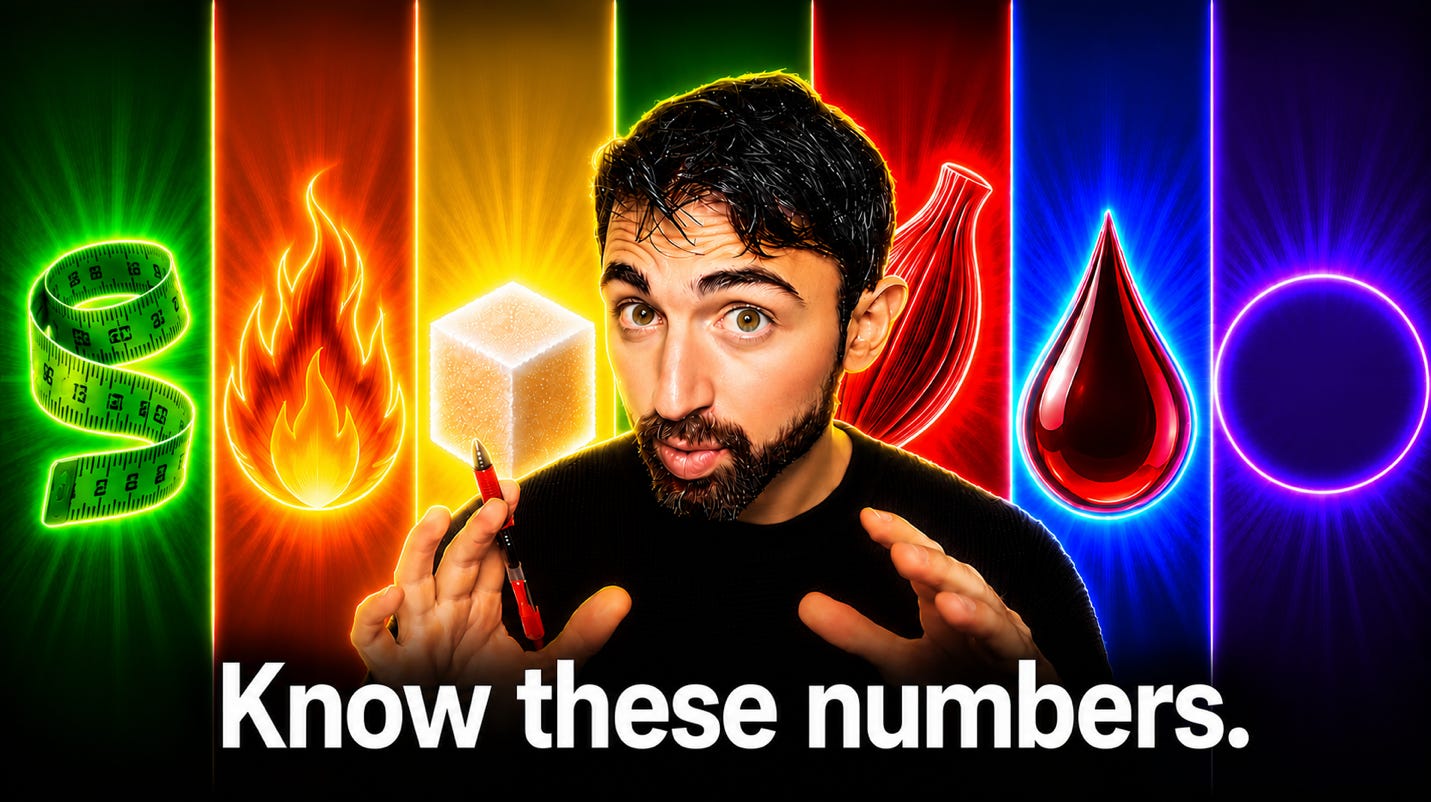
The Wolverine Stack sounds like comic-book nonsense. But the data tell a different story. Explore the data, from human trials to striking animal data, and heart repair after injury.
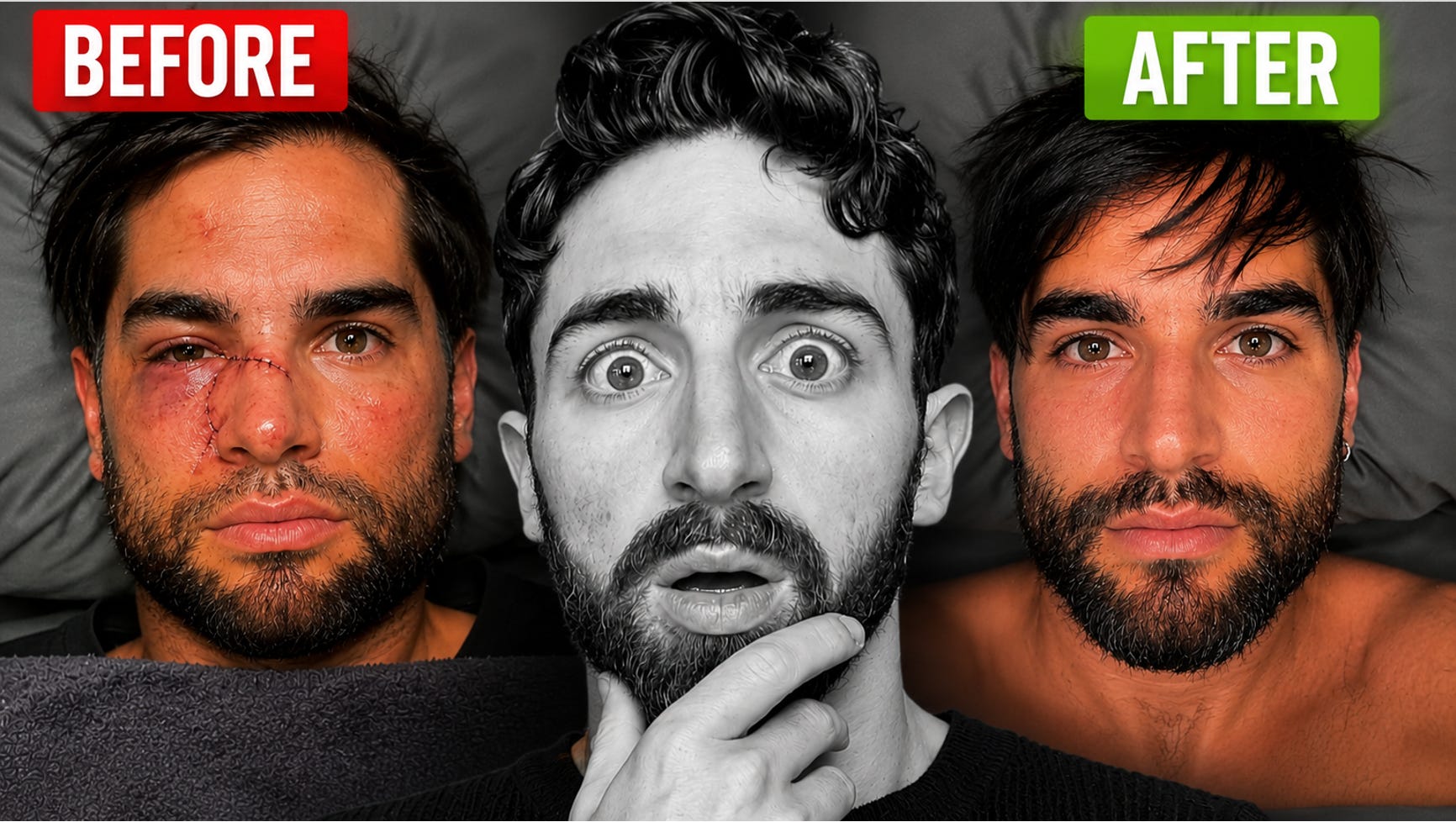
A new 2026 study finds that visceral fat is linked to brain shrinkage. We explore the mechanisms and evidence-based strategies for reducing visceral fat and protecting your brain.
When I was 21, I was diagnosed with severe inflammatory bowel disease. It took me years to figure out how to heal my gut. Today, I’m sharing the science and strategies I wish I’d known from day one.
A brain-boosting molecule with a real mechanism—or just hype? We break down Dihexa: how it works, what the data actually shows, and what happened when I tried it.
What if Alzheimer's had a smoke detector? A new blood test called p-tau217 can detect Alzheimer's pathology 10–20 years before dementia develops. Here’s what that really means…
The definitive one-stop shop for understanding GLP-1s: risks, benefits, muscle, brain health, practical tips, and next-generation therapies. Insights you won’t find elsewhere.
“This work establishes that damage to aging proteins previously thought to be irreversible can be repaired.” That’s the line from a new paper...
A new study explores a provocative possibility: what if we could replicate the restorative benefits of sleep without ever fully shutting down the brain?
This new compound doesn’t just lower blood sugar. It mimics many of the metabolic effects of exercise. The data behind ATX-304 are hard to ignore, as are the real-world reports.
GHK-Cu is one of the strangest molecules in longevity science: a copper peptide linked to wrinkle reversal, mitochondrial health, and aging itself. Where does hype end and truth begin?
Your mitochondria aren’t just batteries — they’re living, dancing signaling networks that control metabolism and aging. Here’s how to upgrade them, from sunlight to futuristic peptides.
Tadalafil, an FDA-approved PDE5 inhibitor, is now being explored for heart health, brain protection, and performance. What do the data actually say about Tadalafil?
A tiny peptide called KPV may target inflamed gut tissue with remarkable precision. Here’s the science behind its potential gut healing, and even colon cancer prevention.
What do you do if your GLP-1 stops working, or never worked well in the first place? We explore GLP-1 resistance, fading effects, and practical tools to support weight loss.
Why do smart experts defend obviously wrong health ideas? An insider look at peer review, medical incentives, scientific bias, and how bad narratives become accepted “truth.”
What happens when researchers take 12 people and place them on a 7-day fast? The results may change how you think about fasting. And I will give you some practical tools hack a 7-day fast in 24 hours.
Do statins protect the brain—or quietly harm it? The answer is far more nuanced than most doctors admit. A deep dive into dementia risk, metabolism, mitochondria, and brain health.
GLP-1 drugs may fundamentally alter taste and food reward itself. From chocolate milk fMRI studies to cottage cheese obsession, let’s dive into the succulent science.
A new study reports that a compound found in aged garlic extract may protect both the brain and muscle from age-related decline.
A tiny molecule targeting a hidden metabolic “leak” shows shocking effects on strength, fat loss, and metabolic health. Is it hype, or a glimpse into the future of human performance?
What if one of the most powerful health interventions costs nothing? From sleep to inflammation to vagal tone to mitochondria, the science of gratitude will surprise you.
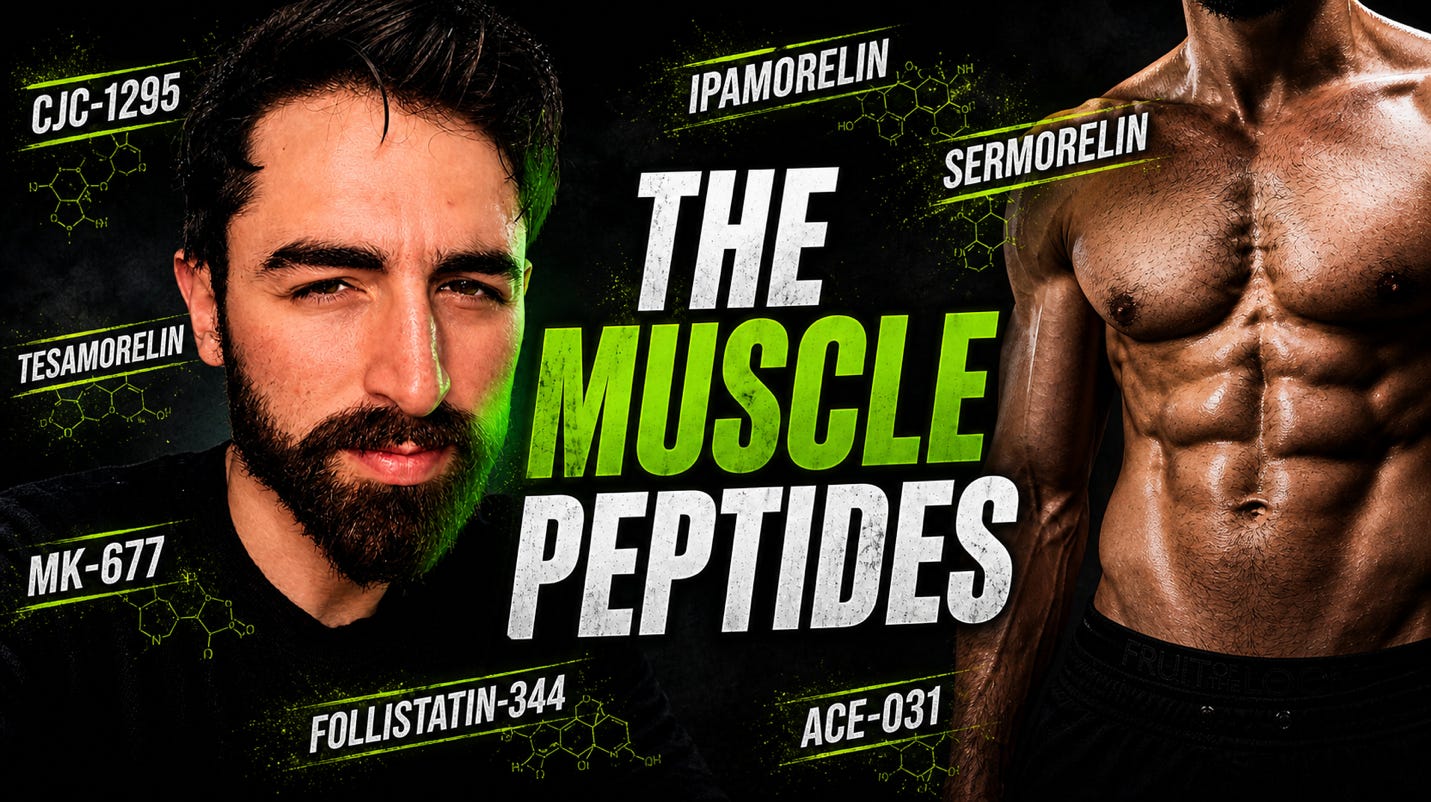
Muscle peptides explained. From CJC-1295 and Ipamorelin to Sermorelin, Tesamorelin, MK-677, and the myostatin blockers. Here’s a clear, no-BS breakdown of the space.
A new paper came out on a curious driver of Alzheimer's disease, and as soon as I read it, I texted my mom: “Please stop taking this immediately.”
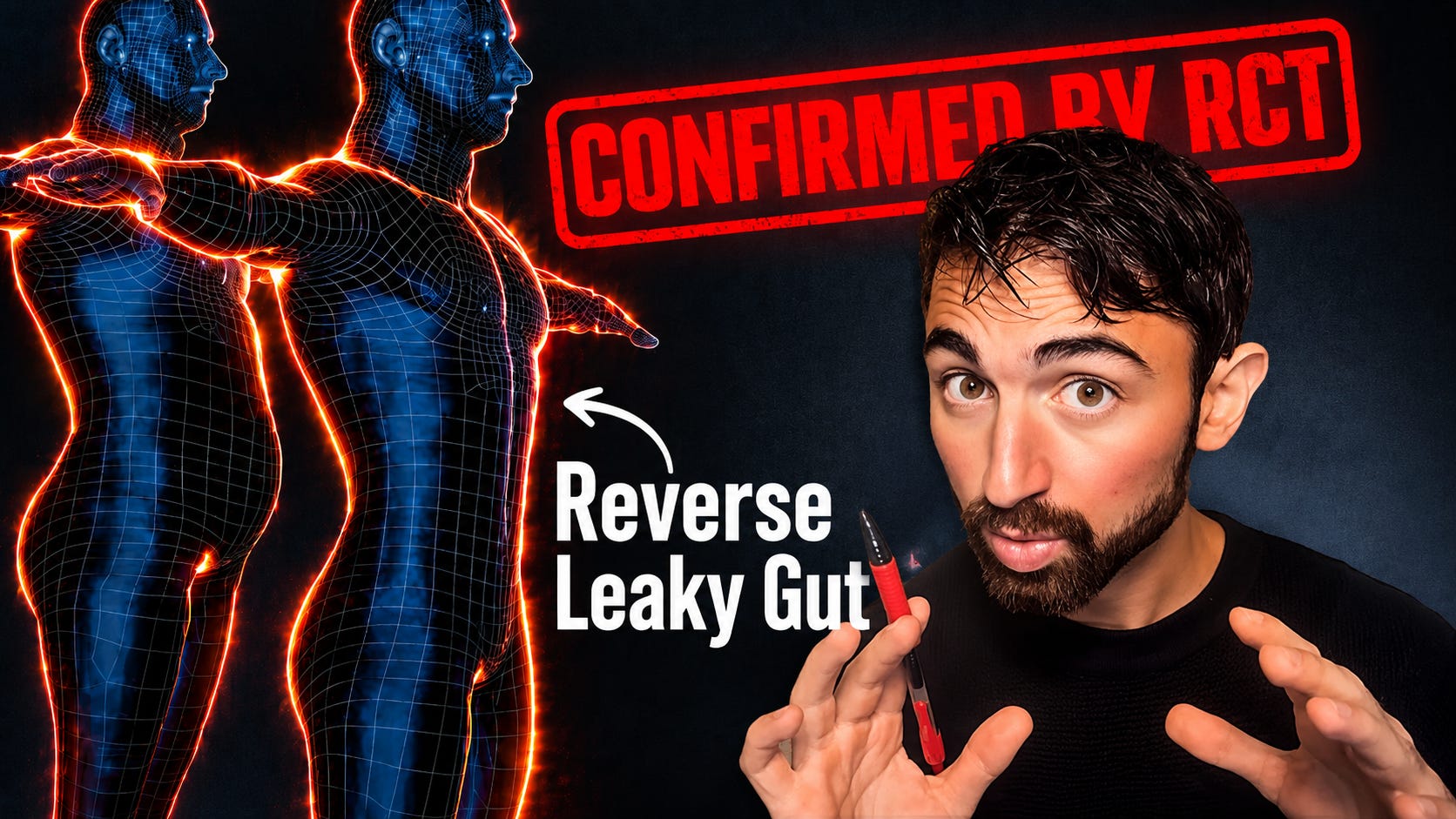
Can “leaky gut” drive bloating, inflammation, and even autoimmune disease? The peptide larazotide has now shown promise in randomized controlled trials.
GLP-1 drugs may do more than drive weight loss. Emerging research suggests real potential for protecting the brain and slowing Alzheimer’s pathology. The data are early, but optimistic
Retatrutide could become the biggest drug in history. But there are some strange rumors. So, I tried it. Here's why and what happened.
Every night, especially during deep sleep, your brain activates its glymphatic system to clear out waste. Here are evidence-based ways to improve that process.
A thought experiment in prevention: What if dogs do more for cardiovascular health than statins? Let’s examine the data, challenge the dogma, and rethink what “evidence-based” really means.
Scientists may have found a way to build muscle while burning fat. New human and primate data suggest this “impossible” body recomposition is around the corner.
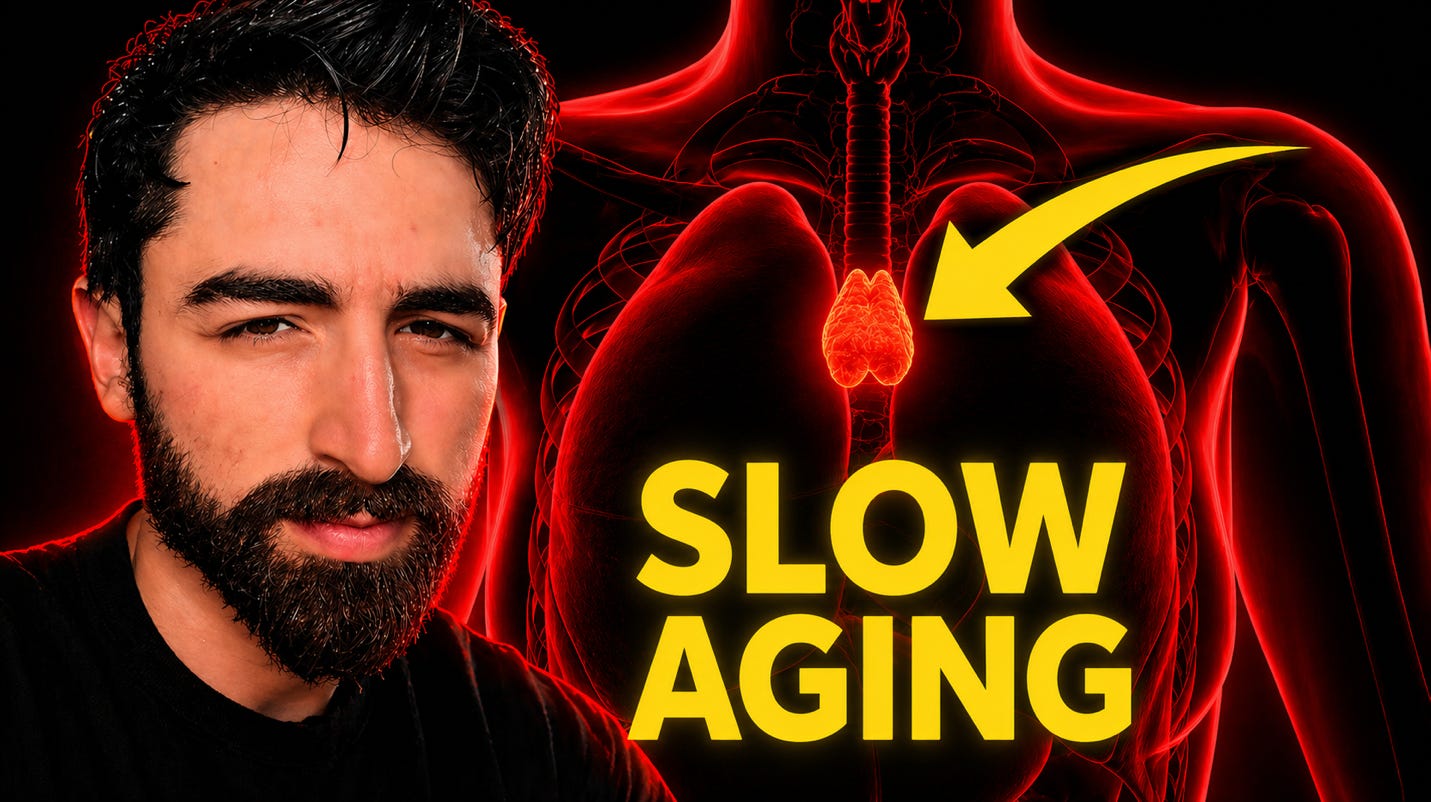
A major Nature study reveals the thymus may be central to aging, mortality, and disease. Here’s how this overlooked organ shapes longevity—and what you can do about it.
BPC-157 might be the most hyped peptide on the internet. What’s actually real?
How specific wavelengths of light shape hormones, attraction, and reproduction. Strap in... this one is wild!
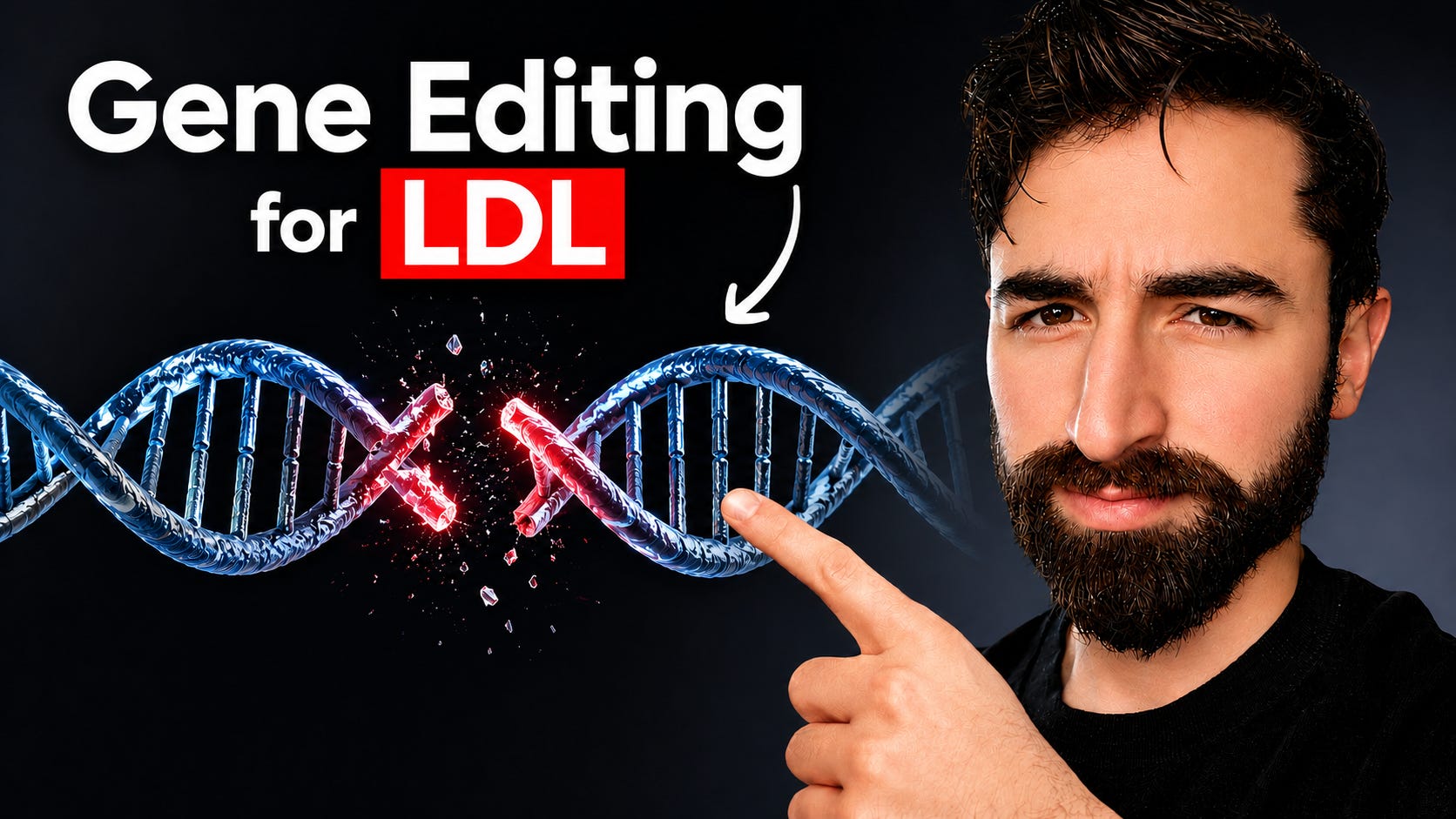
A new CRISPR gene-editing therapy just lowered LDL by 62% with one injection. But the real breakthrough isn’t cholesterol…
I'm an MD-PhD at high risk for Alzheimer’s disease. In this letter, I share my Alzheimer's prevention protocol—plus the scientific rationale behind each choice.
The FDA approved a peptide for a rare mitochondrial disease. But what's more interesting is the more common potential use cases and expanding universe of mitochondrial medicine.
I read a paper. I thought, "this needs to be wrong." So, I tested it on myself. It wasn't...
Superhuman abilities once belonged to comic books. But breakthroughs in gene editing, cellular reprogramming, and bioengineering suggest the future of enhanced human biology is closer than we think...

This letter brings together dozens of deep dives, clinical trials, and mechanistic papers to identify the most interesting, and evidence-based, heart health supplements that you can consider today.